



Mini Scaffolding
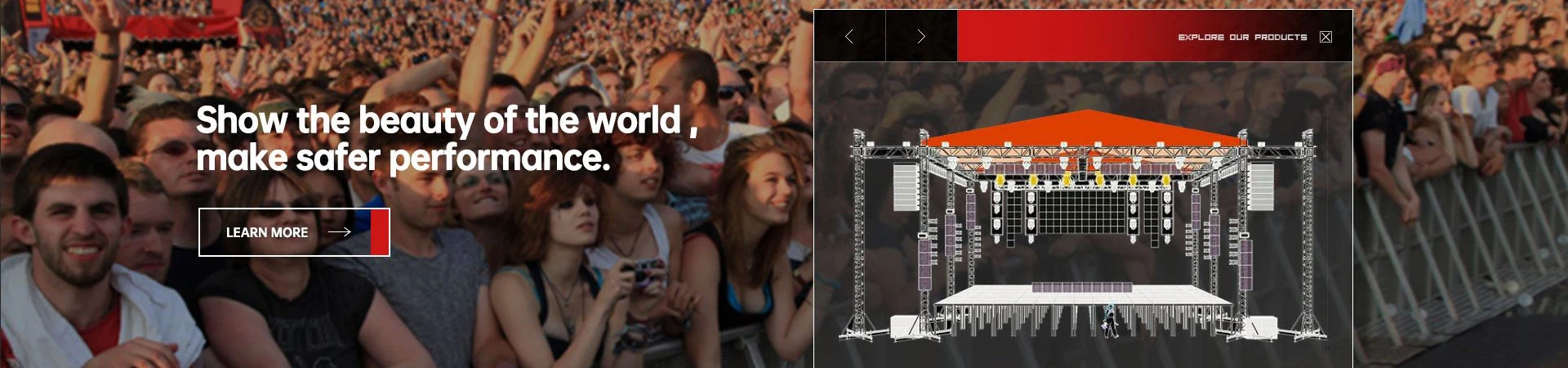
1.Introduction A popular application for mini scaffolding is in the realm of music concerts where it serves as a support for massive lighting stands and backdrops. Thanks to its ease of installation and dismantling, the scaffolding can be secured in place with a simple tap from a wooden mallet...
Description
1.Introduction
A popular application for mini scaffolding is in the realm of music concerts where it serves as a support for massive lighting stands and backdrops. Thanks to its ease of installation and dismantling, the scaffolding can be secured in place with a simple tap from a wooden mallet or hammer once the pin is in position.
Losing accessories is not a common occurrence due to the secure attachment method used. The pin piece is carefully fastened to the crossbar using rivets, ensuring that it remains in place and cannot be easily misplaced.
2.Truss specifications
|
Item Name |
Mini Mobile Scaffolding |
|
Warranty: |
1 Year |
|
After-sale Service |
Online technical support |
|
Project Solution Capability |
graphic design |
|
Application |
Hotel, Building Construction |
|
Design Style |
|
|
Certificate |
ISO9001 |
|
Model Number |
48.3*3.2mm |
|
Advantage |
Stable |
|
Color |
Customer Requirements |
|
Usage |
Building Project |
|
Delivery Time |
Depends on order qty |
3.Production Process
In order to manufacture mini scaffolding, there are several typical steps involved in the production process. These steps include designing and planning the scaffolding, selecting the appropriate materials for construction, cutting and shaping the materials to fit the intended design, assembling the scaffold components together according to the design plan, and finally testing the scaffold to ensure its safety and functionality. Each step requires careful attention to detail and skilled craftsmanship to produce a product that meets quality standards and customer needs. With these steps in mind, manufacturers can produce mini scaffolding that is versatile, durable, and efficient for a variety of construction and maintenance tasks.
The initial phase of creating a mini scaffolding involves designing the structure. This process considers various elements, such as dimensions, weight, and the scaffold's ability to endure a significant load. Additionally, the design entails incorporating any beneficial features that enhance the scaffold's functionality, such as adjustable legs, locking systems, and folding mechanisms.
After finalizing the design of mini scaffolding, the next step is to select the appropriate materials. The most common materials used in mini scaffolding construction are aluminum, steel, and fiberglass. These materials are selected based on their durability, strength, and weight-bearing capacity to ensure the safety and stability of the scaffolding structure during use. The choice of materials also depends on the intended use of the scaffolding, such as whether it will be used indoors or outdoors, and whether it needs to be portable or stationary. By carefully selecting the right materials, mini scaffolding can be designed to meet the specific needs of the user and provide a secure and reliable support for various construction and maintenance tasks.
After the materials have been selected, the next step in the process is to cut and shape them to create the desired design and dimensions for the mini scaffolding. To accomplish this, a range of specialized tools is employed, including saws, drills, and routers. These tools aid in precisely cutting the materials and shaping them accordingly. This stage plays a crucial role in achieving the intended structure for the mini scaffolding, as it ensures that each component is tailored correctly to fit together seamlessly.
After all the necessary components are manufactured, the next step is assembly. This process involves either welding or bolting the different parts together to create a sturdy and reliable mini scaffolding. It is crucial that the joints are carefully inspected and secured to ensure that they can withstand the weight and pressure of workers and equipment. Attention to detail is key during the assembly process, as any weak points could compromise the entire structure and pose a safety hazard.
Once the mini scaffolding has been put together, the next step is to apply a protective finish in order to safeguard it against corrosion and various forms of damage. There are several options available for this process, including painting, powder coating, and anodizing the material's surface. By applying these finishes, the scaffolding becomes more resilient and long-lasting, allowing it to withstand the elements and heavy use. This final touch ensures that the mini scaffolding remains durable and reliable throughout its lifespan.
Once the mini scaffolding is completed, a comprehensive quality control process takes place to guarantee its compliance with essential safety regulations and suitability for operational use. Various safety checks, stability assessments, and load tests are conducted to ensure its reliability and adherence to the necessary standards. This meticulous inspection ensures that the finished product surpasses all safety requirements and is ready to be used with confidence.
Once the mini scaffolding has been carefully packaged, it undergoes the shipping process to reach the customer's destination. The packaging is meticulously crafted to provide optimal protection during transportation, guaranteeing that the mini scaffolding arrives in impeccable condition.
The process of manufacturing mini scaffolding requires meticulous planning, precise cutting and molding, skilled assembly, rigorous quality checks, and secure packaging and transportation to ensure safety. These crucial steps ensure that each unit produced is of the highest standard and meets all safety requirements for the end user. With a focus on efficient production methods and attention to detail, the manufacturing process for mini scaffolding remains an essential aspect of the construction industry, providing workers with the necessary support and stability needed to complete tasks at height with confidence and ease.


4.FAQ
1: Why should i choose your company instead of other suppliers?
1) TUV, SGS, CE Certified.
2) 18 years Experience in truss, stage, barrier and scaffolding.
3) 35000 m² WORKSHOP Offers good production capacity which can make sure to delivery orders On time.
4) Professional engineer team offer you the Perfect Solutions for your project.
5) Have our own Aluminum Profile Production line which can control the good quality of material.
6) Professional & strict QC team which can make sure all products in good condition before delivery.
7) Process and Final Inspection,strict product precision control ,installation test before delivery for each order.
2: Do you support sample order?
We can also offer samples for customer to do the quality checking before placing the batch order.


Hot Tags: mini scaffolding, China mini scaffolding manufacturers, suppliers, factory
Send Inquiry
You Might Also Like


